

Preventative Maintenance for Commercial Buildings
Reactive repairs cost more than planned ones, every time. Here's how a preventative maintenance plan protects commercial buildings year-round.
.jpg)
Is your commercial building regularly maintained, or are repairs only done when something goes wrong? Would you like to reduce unexpected repair costs and keep your property in good condition year-round? If the answer is yes, preventative maintenance is a smart investment. Regular preventative maintenance for commercial buildings helps identify small problems before they become expensive repairs. It can improve safety, reduce downtime, extend the life of building systems, and help your property stay professional and well-maintained.
Let's explore how preventative maintenance helps protect commercial buildings and why it should be part of every long-term property management plan.
Preventative Maintenance for Commercial Buildings
Over time, regular use, changing weather, and ageing building materials can cause parts of the property to wear out. If these small problems are ignored, they can lead to expensive repairs, safety risks, or even business disruptions.
Here are some simple ways to create an effective commercial preventative maintenance plan.
1. Create a Regular Maintenance Schedule
The first step is to establish a maintenance schedule rather than waiting until something goes wrong. Your schedule could include weekly inspections, monthly maintenance checks, seasonal servicing, and annual inspections. Having a regular routine helps ensure that important parts of the building are checked before problems become serious.
2. Inspect the Outside of the Building
The exterior protects the entire property, so it should be inspected regularly. Check the roof for damage or loose materials, gutters and downpipes for blockages, exterior walls for cracks, windows and doors for damage or broken seals, and car parks, footpaths, and entrances for safety hazards. Fixing these issues early can help prevent water leaks, structural damage, and costly repairs.
3. Service Heating and Cooling Systems
Heating, ventilation, and air conditioning (HVAC) systems operate year-round and require regular maintenance. Maintenance should include cleaning or replacing air filters, checking airflow, inspecting ducts and vents, and testing heating and cooling performance. A well-maintained system works more efficiently, uses less energy, and is less likely to break down unexpectedly.
4. Check Plumbing and Drainage
Small plumbing issues can quickly become major problems if they are left untreated. Regular inspections should look for water leaks, blocked drains, damaged pipes, dripping taps, and poor water pressure. Fixing these problems early can prevent water damage, mould, and expensive repairs.
5. Inspect Electrical Systems
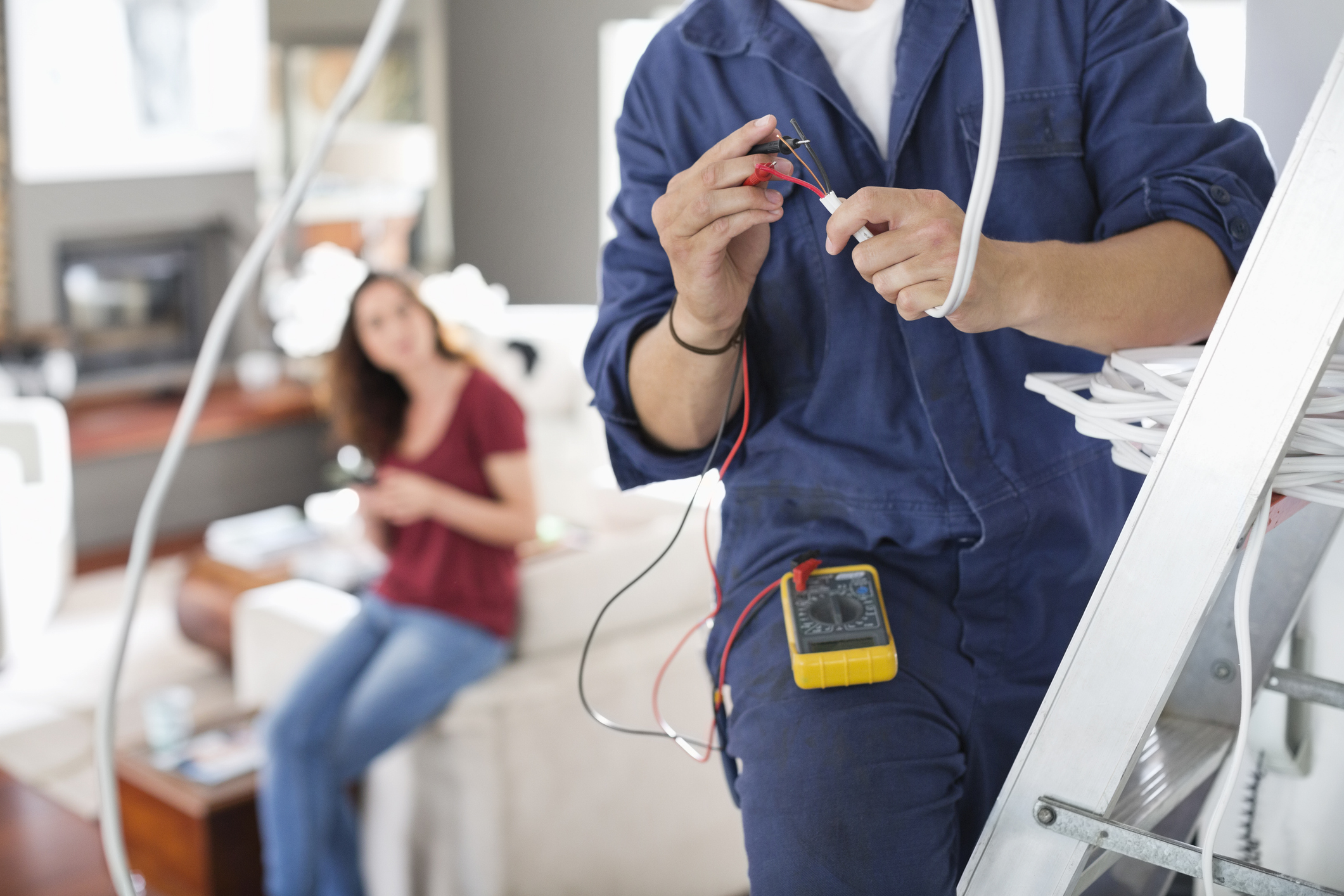
Electrical systems should be checked regularly to keep the building safe. This includes inspecting switchboards, lighting, emergency lighting, power outlets, and electrical equipment. Regular electrical maintenance helps reduce the risk of faults, power failures, and safety hazards.
6. Test Fire Safety Equipment
Fire safety systems should always be ready to work in an emergency. Regular maintenance should include checking fire alarms, smoke detectors, fire extinguishers, emergency lighting, and exit signs and emergency exits. Keeping these systems in good condition also helps meet New Zealand safety requirements.
7. Maintain Common Areas
Shared spaces are often the first areas people see when they visit a commercial property. These areas should be maintained by keeping them clean, repairing damaged flooring, replacing broken lights, maintaining gardens and outdoor areas, and checking handrails and walkways. Clean and well-maintained common areas create a safer and more professional environment for everyone who uses the building.
8. Fix Small Problems Straight Away
Small maintenance issues often become much bigger if they are ignored. For example, a small roof leak can lead to water damage, a cracked footpath can become a safety hazard, and loose handrails can increase the risk of accidents. Repairing small problems early usually costs much less than waiting until major repairs are needed.
9. Keep Good Maintenance Records
Keep a record of every inspection, repair, and service carried out on the building. Good records help you know when equipment was last serviced, plan future maintenance, track repair history, and budget for future work. Having organised records also makes property management much easier.
10. Review Your Maintenance Plan Every Year
As buildings get older, their maintenance needs change. Review your maintenance plan regularly to make sure it still covers building structure, mechanical systems, electrical systems, fire safety equipment, outdoor areas, and any new equipment or building upgrades. Updating your maintenance plan helps ensure your building remains safe, efficient, and well-maintained.
Frequently Asked Questions
How often should a commercial building be inspected? A layered approach works best: weekly or monthly checks for high-use areas, seasonal servicing for HVAC and exterior elements, and a full annual inspection covering structure, systems, and safety equipment.
What's the difference between preventative and reactive maintenance for commercial buildings? Preventative maintenance follows a schedule to catch issues before they fail, while reactive maintenance only responds once something breaks. Reactive-only approaches typically cost more over time and risk unplanned downtime.
Which building systems cause the most expensive failures if neglected? Roofing, HVAC, and plumbing tend to produce the costliest surprises, since water damage and system replacements are expensive and often affect multiple areas or tenancies at once.
Do commercial buildings have specific fire safety maintenance requirements in NZ? Yes. Fire alarms, extinguishers, emergency lighting, and exit signage need regular testing to meet New Zealand safety requirements, and these checks should be scheduled as part of the wider maintenance plan, not left until an inspection is due.
Why should maintenance records matter for a commercial property owner? Records prove what's been serviced and when, support accurate budgeting for future work, and provide a clear history if a dispute or insurance claim arises. They also make it far easier to review and update the maintenance plan each year.
Protect Your Commercial Property Year-Round
Preventative maintenance is one of the smartest investments a commercial property owner can make.
By staying ahead of small issues, from roofing and HVAC to plumbing and fire safety, you can reduce repair costs, extend the life of your building, and provide a safer, more professional environment.
The Oncore Services NZ team helps commercial property owners and managers implement structured preventative maintenance plans with a single point of contact. Get in touch with the Oncore team for a free consultation.
Related Articles and Projects
Read Next

All Oncore franchises are independently owned and operated.
Processing...
Talk to a maintenance specialist today
Oncore specialises in doing everything related to taking care of your home, building or office. Get in touch today!
