

Maintaining Rental Properties Between Tenancies
Vacancy time is maintenance time. Here are 9 ways NZ landlords can use tenant changeovers to protect their investment and attract better tenants.
Is one tenant moving out and another preparing to move in? Do you want to keep your rental property in good condition while reducing the risk of future maintenance issues? If you answered "Yes", the period between tenancies is the perfect time to inspect, repair, and refresh your property. Many landlords focus on finding new tenants quickly, but taking the time to complete essential maintenance can help protect the property, improve tenant satisfaction, and reduce the likelihood of costly repairs later. Even small improvements completed between tenancies can make a big difference to the property's condition and presentation.
Let's explore practical ways to maintain rental properties between tenancies and why this period is an important opportunity for proactive property care.
9 Ways to Maintain Your Rental Property Between Tenancies
The time between one tenant moving out and the next tenant moving in is one of the best opportunities to maintain your rental property. A little maintenance now can help protect your investment, improve tenant satisfaction, and reduce future repair costs.
1. Carry Out a Full Property Inspection
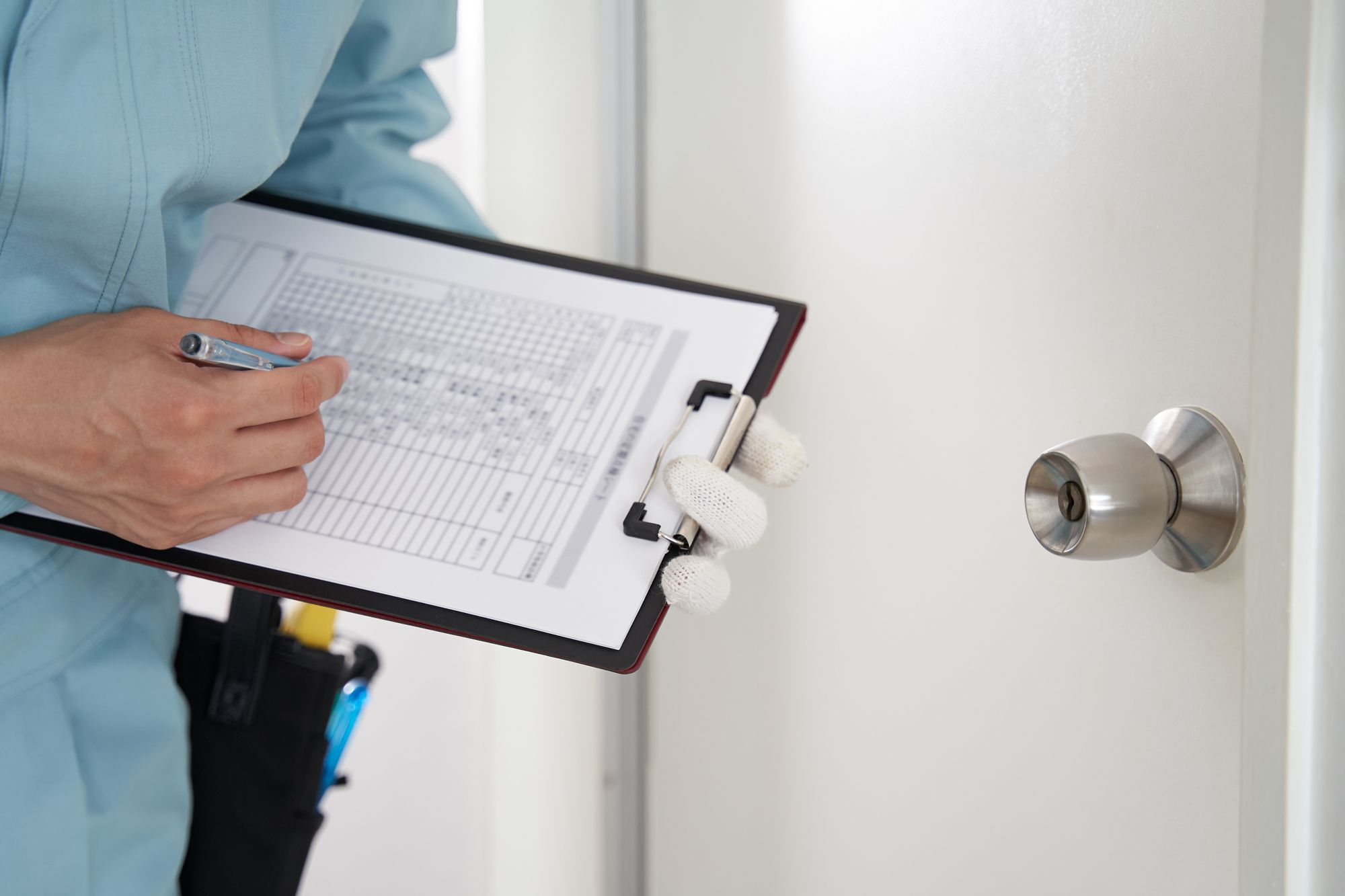
Start by walking through the entire property and checking its overall condition. It is your chance to identify any damage, wear and tear, or maintenance issues that may have developed during the tenancy. Look carefully at walls and ceilings, flooring, doors and windows, kitchens and bathrooms, outdoor areas, and fixtures and fittings. Taking photos and making notes can help you keep accurate records and plan any work that needs to be completed before the next tenant arrives.
2. Fix Small Repairs Before They Become Bigger Problems
Small maintenance issues can quickly turn into expensive repairs if left unattended. The period between tenancies is the ideal time to address things such as leaking taps, loose door handles, broken locks, damaged skirting boards, cracked tiles, and faulty light fittings. These repairs are often easier and cheaper to complete while the property is vacant.
3. Give the Property a Deep Clean
A clean property creates a positive first impression and helps attract quality tenants. Even if the previous tenant left the home reasonably tidy, a thorough clean can make a big difference. Pay special attention to kitchens, bathrooms, windows, flooring, appliances, and cupboards and storage areas. A fresh and clean home also encourages new tenants to take better care of the property.
4. Check Smoke Alarms and Safety Features
Tenant changeovers are a good time to review safety throughout the property. Test all smoke alarms and replace batteries if needed. You should also check door locks, window latches, outdoor lighting, handrails, and stairs and walkways. Making sure everything is working properly helps create a safer environment for incoming tenants.
5. Look for Moisture and Mould Problems
Moisture issues are common in New Zealand properties and can sometimes go unnoticed during a tenancy. Check for damp smells, water stains, mould growth, condensation issues, and poor ventilation. Finding and fixing these problems early can help prevent larger repair bills and improve the property's overall condition.
6. Service Heating and Ventilation Systems
Heating and ventilation systems work hard throughout the year and should be checked regularly. The vacancy period is a good opportunity to service heat pumps, extractor fans, ventilation systems, and bathroom fans. Well-maintained systems help improve comfort, air quality, and moisture control inside the property.
7. Refresh Worn Areas
Over time, rental properties naturally show signs of use. Scuffed walls, chipped paint, worn fixtures, and small cosmetic issues can make the property look tired. Simple updates such as touch-up painting, replacing damaged fittings, repairing wall marks, and updating worn fixtures can help make the property look well-cared-for without requiring a major renovation.
8. Don't Forget Outdoor Areas
The outside of the property is just as important as the inside. Take time to inspect fences, gates, decks, paths, driveways, gardens, and gutters. Removing rubbish, trimming plants, clearing gutters, and fixing minor issues can improve both appearance and safety.
9. Check Healthy Homes and Compliance Requirements
The period between tenancies is also a good time to review whether the property meets current requirements. It may include checking heating systems, insulation, ventilation, moisture control, and safety requirements. Keeping the property compliant helps avoid problems later and ensures it remains ready for new tenants.
Frequently Asked Questions
1. How is between-tenancy maintenance different from an end-of-tenancy inspection? The end-of-tenancy inspection identifies the property's condition and any tenant-caused damage. Between-tenancy maintenance is the broader work that follows: repairs, deep cleaning, servicing systems, refreshing worn areas, and compliance checks before the next tenant moves in.
2. How long should I allow between tenancies for maintenance? It depends on the property's condition, but allowing at least a few days to a week for inspection, cleaning, and repairs is sensible. Rushing this stage often means issues carry into the next tenancy.
3. Do I need to check Healthy Homes compliance at every tenant changeover? All NZ rental properties must now comply with the Healthy Homes Standards regardless of tenancy status, so a changeover is a smart time to confirm heating, insulation, ventilation, and moisture control still meet requirements.
4. What between-tenancy maintenance gives the best return? Deep cleaning, touch-up painting, and fixing small visible defects deliver the biggest impact on presentation and rent-ability for the lowest cost, while servicing heating and ventilation prevents expensive failures mid-tenancy.
5. Can I claim between-tenancy maintenance costs against my rental income? Repairs and maintenance are generally deductible for NZ landlords, while improvements may need to be capitalised. Check with your accountant for advice specific to your situation.
Turn Vacancy Time into an Advantage
The time between tenancies is not just about preparing for the next tenant. It is an opportunity to keep your property in good condition, stay ahead of future maintenance issues, and protect your investment's long-term value.
A well-presented, well-maintained property attracts better tenants faster, and costs less to run over time.
If you'd rather not coordinate the trades yourself, the Oncore Services team handles between-tenancy inspections, repairs, refreshes, and Healthy Homes compliance work across New Zealand as a single point of contact. Get in touch with the Oncore team for a free consultation.
Related Articles and Projects
Read Next

.jpg)
.jpg)
All Oncore franchises are independently owned and operated.
Processing...
Talk to a maintenance specialist today
Oncore specialises in doing everything related to taking care of your home, building or office. Get in touch today!
