
How Property Maintenance Supports Healthy Homes Compliance
Healthy Homes compliance is not a one-time checklist. Regular property maintenance helps ensure heating, ventilation, insulation, draught stopping, and moisture control systems continue working properly over time. This article explains how proactive upkeep supports long-term Healthy Homes standards and helps avoid costly repairs.
%20(1).jpg)
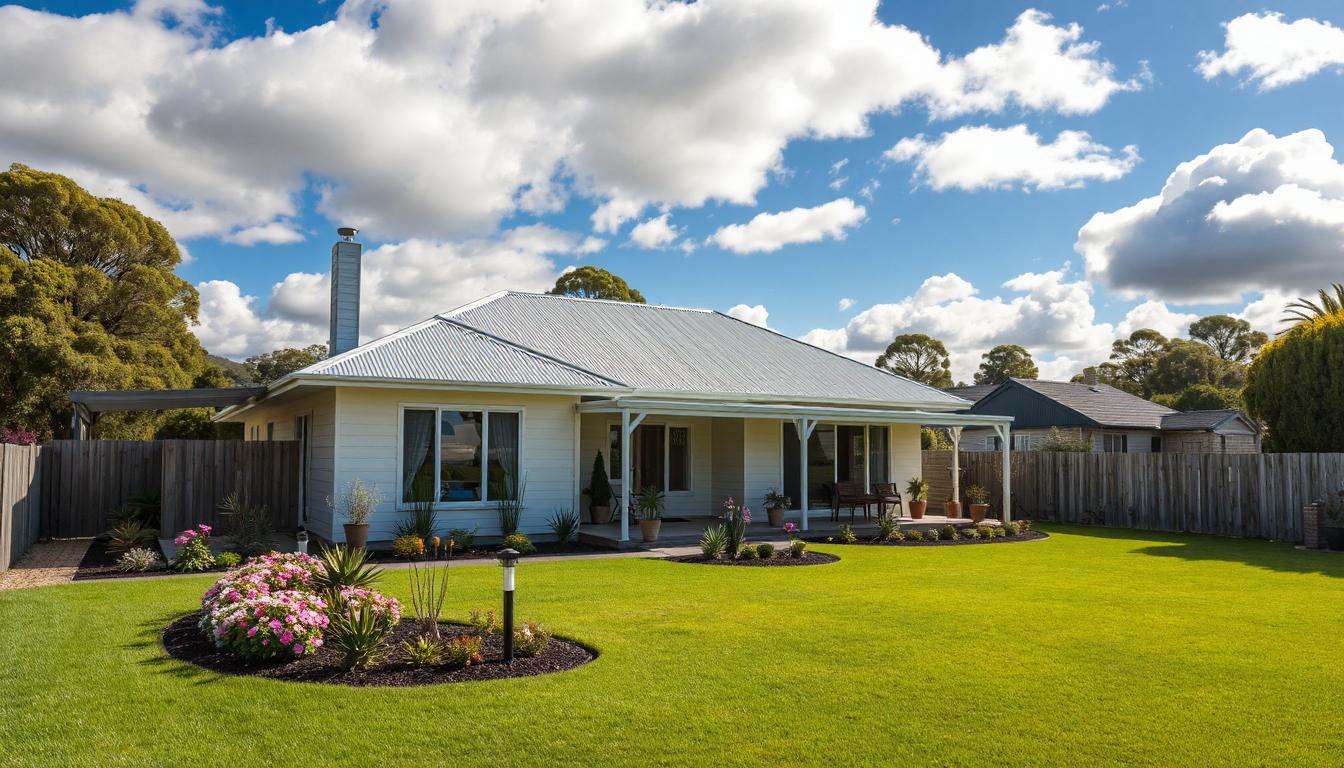
Are you confident that your property meets the Healthy Homes standards in New Zealand? Many homeowners and landlords are unsure whether their property fully complies until issues arise. Regular property maintenance plays a key role in meeting these standards. It helps ensure your home stays warm, dry, and safe, which are the main goals of Healthy Homes compliance. By staying on top of small repairs and checks, you can avoid bigger problems and keep your property in line with regulations.
Let’s explore how regular maintenance can support Healthy Homes compliance and why it matters for NZ homeowners and landlords.
How does property maintenance support Healthy Homes compliance in New Zealand?
Ongoing property maintenance is what helps keep your home compliant over time. Small issues can slowly affect how well your home performs, so regular checks and timely repairs are very important.
- Regular maintenance keeps your home compliant
Even if your property already meets Healthy Homes standards, things can change over time. Systems can wear out, stop working properly, or become less effective. For example, a heat pump might be installed correctly, but if it is not serviced or maintained, it may not heat the room properly. The same applies to ventilation systems, insulation, and drainage. Regular walkthroughs and maintenance checks help you spot these problems early. Fixing small issues quickly ensures your home continues to meet the required standards without the need for major repairs later.
- Managing moisture helps prevent bigger problems
Moisture is one of the biggest challenges in New Zealand homes. If not controlled, it can lead to mould, dampness, and damage to the house's structure. Regular maintenance tasks such as fixing leaks, cleaning gutters, and checking drainage systems can help prevent moisture buildup. It is also important to ensure extractor fans are working properly and that air can circulate throughout the home. Keeping moisture under control not only helps with compliance but also creates a healthier living environment.
- Ventilation needs to work properly at all times
Healthy Homes standards require good airflow throughout the property. This includes working extractor fans in kitchens and bathrooms, as well as windows that can open easily. However, these systems can stop working if they are not maintained. Fans can become clogged with dust, vents can be blocked, and windows may become stuck or difficult to use. Regular checks and cleaning help ensure proper airflow. Good ventilation reduces moisture, improves air quality, and keeps the home comfortable.
- Heating systems must stay efficient
A compliant home must have a fixed heating system capable of warming the main living area. But simply having a heater is not enough. It needs to work properly. Over time, heating systems can lose efficiency or develop faults. Without maintenance, they may not provide enough warmth, especially during colder months. Servicing heaters regularly and fixing any issues quickly ensures your home stays warm and continues to meet Healthy Homes requirements.
- Insulation must remain effective
Insulation plays a key role in keeping homes warm and energy-efficient. However, it can shift, become damaged, or lose its effectiveness over time. Regular checks of the ceiling and underfloor insulation can help ensure it is still in good condition. If insulation is damaged or missing in areas, it should be repaired or replaced. Good insulation reduces heat loss, improves comfort, and supports long-term compliance.
- Fixing draughts improves comfort and efficiency
Draughty homes can feel cold and increase heating costs. Healthy Homes standards require noticeable gaps and holes to be sealed. Common areas to check include windows, doors, and floor gaps. Over time, seals can wear out or become loose. Fixing these small gaps through regular maintenance helps keep warm air inside, improves comfort, and supports compliance.
- Exterior maintenance supports moisture control
The outside of your property plays an important role in keeping the inside dry. Gutters, downpipes, and drainage systems need to work properly to direct water away from the home. Blocked gutters or poor drainage can cause water to collect around the property, leading to dampness inside. This can affect both the home's structure and compliance with Healthy Homes standards. Regular cleaning and inspection of exterior areas can prevent these issues.
Keep your property compliant with the right support
Staying compliant with Healthy Homes standards is not just about meeting the rules once. It requires regular checks, timely maintenance, and a proactive approach to managing your property. By keeping systems like heating, ventilation, insulation, and drainage in good condition, you can ensure your home remains warm, dry, and safe to live in. Taking care of small issues early can help you avoid bigger repairs, reduce costs over time, and provide a better living environment for occupants. Consistent maintenance is the key to long-term compliance and peace of mind.
At Oncore NZ, we support homeowners and landlords across New Zealand with practical property maintenance solutions. From regular inspections to repairs and ongoing upkeep, we make property care simple and stress-free. With the right support and a clear maintenance plan, you can keep your property compliant and in great condition year-round.
Read Next


All Oncore franchises are independently owned and operated.
Processing...
Talk to a maintenance specialist today
Oncore specialises in doing everything related to taking care of your home, building or office. Get in touch today!
