

End-of-Tenancy Repair Checklist for NZ Landlords
An end-of-tenancy inspection is the perfect opportunity to identify repairs, address maintenance issues, and prepare your rental property for new tenants. This practical checklist helps NZ landlords minimise vacancies, maintain compliance, and protect the long-term value of their investment property.

When a tenant moves out, it's easy to focus only on finding the next one. But what you do between tenancies plays a big role in how quickly your property gets rented again - and at what price.
An end-of-tenancy check isn't just about cleaning. It's about identifying repairs, fixing issues, and making sure the property is in the best possible condition before your next tenant walks through the door. Missing small problems at this stage can lead to higher costs later and longer vacancy periods.
Here's a practical end-of-tenancy repair checklist for NZ landlords, so nothing gets overlooked and your property keeps performing well.

End-of-tenancy repair checklist for NZ landlords
1. Schedule a pre-exit inspection
Before the tenant moves out, inspect the property while they're still there. This lets you identify issues early and give the tenant the chance to address cleaning or minor damage before the final inspection - saving you time and potentially reducing how much work is needed after they leave. Planning this step early makes the whole process smoother.
2. Carry out a detailed final inspection
Once the tenant has moved out and completed their cleaning, carry out a thorough final inspection. Compare the current condition to the original inspection report from when the tenant moved in - this makes it straightforward to see what has changed. Take photos throughout. These records are invaluable if there are any disagreements about the property's condition, and they protect you under the Residential Tenancies Act.
3. Check cleaning and overall condition
Under New Zealand tenancy law, tenants are required to leave the property in a "reasonably clean and tidy" condition. Check all areas carefully, including:
- Walls, ceilings, and floors
- Kitchen surfaces, cupboards, and appliances
- Bathrooms, fittings, and ventilation
- Windows, blinds, and light fittings
If the property hasn't been left adequately clean, you may need to arrange a professional deep clean before showing it to new tenants.
4. Identify and fix tenant-caused damage
Look for any damage that goes beyond normal wear and tear - broken fixtures or fittings, holes or marks on walls, or damage from misuse of appliances. Tenants are responsible for this type of damage under NZ tenancy law. Address it before re-leasing: it maintains your property's quality, reduces risk with future tenants, and protects your asset's long-term value.
5. Check fixtures, fittings, and appliances
Make sure everything in the property is working properly. Check lights and electrical switches, taps and plumbing, kitchen appliances, heating systems, and ventilation. Even small issues should be resolved now - a property that isn't fully functional will be harder to lease and may create issues with Healthy Homes compliance.
6. Inspect outdoor areas
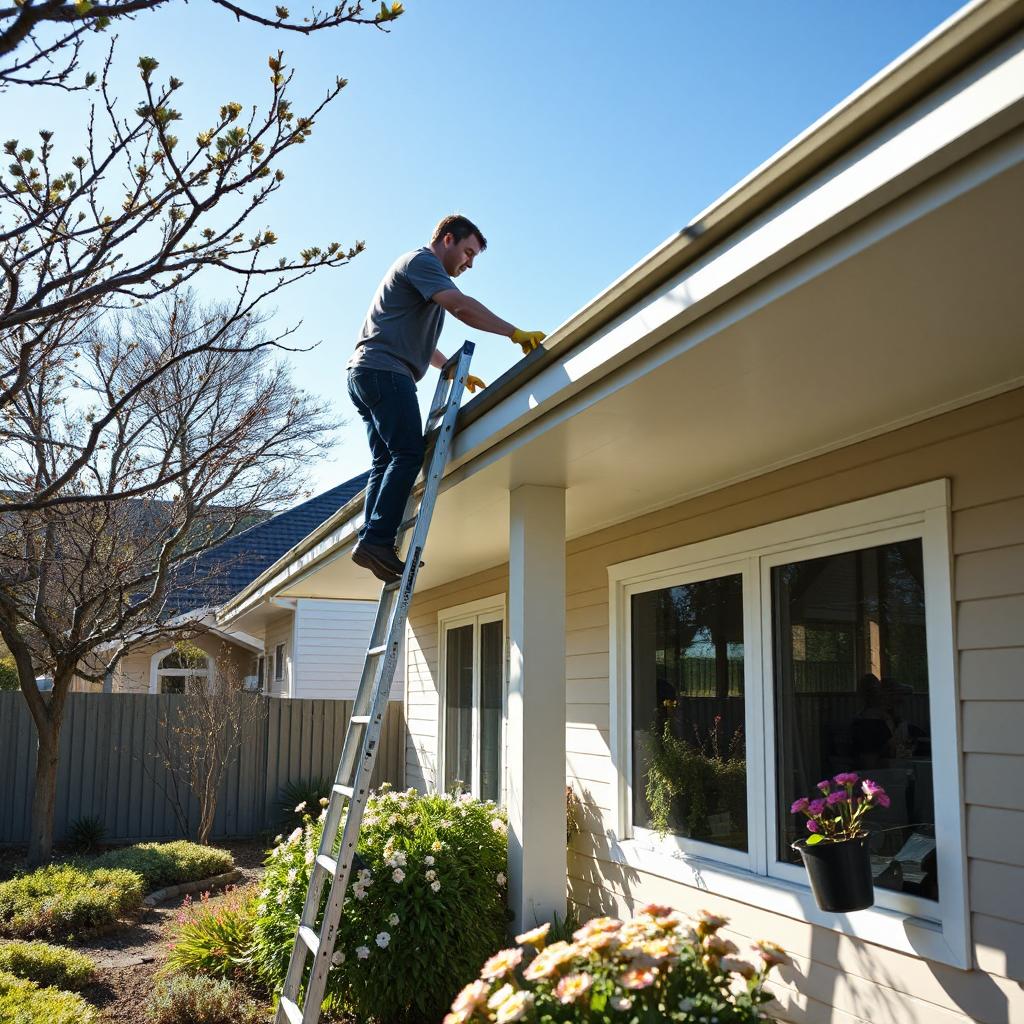
The exterior of your property matters as much as the interior, especially for first impressions. Check the lawn and garden condition, fences and gates, pathways and driveways, and drainage systems. Outdoor areas should be clean, tidy, safe, and well-maintained. Neglected exteriors are one of the first things prospective tenants notice.
7. Remove any leftover items and rubbish
Confirm the tenant has removed all their belongings and cleared all rubbish. If items have been left behind, document them properly and follow the correct legal process for handling abandoned goods under the Residential Tenancies Act. A clear, empty property makes it far easier to carry out repairs efficiently and prepare for new tenants.
8. Complete all repairs before re-leasing
After identifying all issues, complete repairs as quickly as possible. This might include fixing damage, carrying out maintenance work, and touching up paint or surfaces. Allow enough time between tenancies to complete everything properly - rushing this stage often creates problems down the track and can affect your ability to attract quality tenants.
Frequently Asked Questions
What are NZ landlords responsible for at the end of a tenancy?
NZ landlords are responsible for maintaining the property in a reasonable state of repair throughout the tenancy and between tenancies. At the end of a tenancy, landlords should inspect the property, carry out any necessary repairs, and ensure it meets Healthy Homes standards before the next tenancy begins.
What condition must a tenant leave a rental property in New Zealand?
Under the Residential Tenancies Act, tenants must leave the property in a "reasonably clean and tidy" condition and remove all their belongings and rubbish. Tenants are also responsible for any damage that goes beyond fair wear and tear.
How long do NZ landlords have to complete repairs between tenancies?
There is no fixed legal timeframe for completing repairs between tenancies, but addressing issues quickly reduces vacancy time and helps attract quality tenants. Essential repairs affecting habitability - such as heating, plumbing, or structural issues - should always be prioritised.
What is the difference between fair wear and tear and tenant damage in NZ?
Fair wear and tear refers to the gradual, reasonable deterioration of a property through normal use - such as minor scuffs on walls or carpet worn from foot traffic. Tenant damage goes beyond this - for example, holes in walls, broken fixtures, or damage from misuse. Tenants are responsible for damage but not for fair wear and tear.
Keep your property ready for the next tenant
Managing end-of-tenancy repairs properly makes a real difference to how quickly your property gets rented - and to its long-term condition and value. When everything is inspected, cleaned, and repaired on time, you attract better tenants and reduce costly downtime between occupancies.
The key is to stay organised, act quickly, and make sure nothing gets missed.
Need support with end-of-tenancy repairs and inspections? Contact the Oncore Services team in New Zealand
Related reading:
→ The Ultimate Guide to Rental Property Maintenance Compliance
→ How Property Maintenance Helps Landlords Reduce Vacancies
→ How Property Maintenance Supports Healthy Homes Compliance
Read Next
.jpg)

All Oncore franchises are independently owned and operated.
Processing...
Talk to a maintenance specialist today
Oncore specialises in doing everything related to taking care of your home, building or office. Get in touch today!
