

Common Wear-and-Tear Issues in Rental Homes
Worn carpet, faded paint, loose hinges. Here are 10 common wear-and-tear issues in NZ rentals, and how to spot small jobs before they become big repairs.

Do you own or manage a rental property in New Zealand, and would you like to know which issues are normal wear and tear and which may be actual damage? Rental homes naturally show signs of use over time, from worn carpet and faded paint to loose handles and ageing fixtures. As people live in a home, carpets flatten, paint fades and fittings loosen, so the important part is knowing what to expect from normal use and what needs a closer look. Here are 10 common wear-and-tear issues in New Zealand rentals and how to spot small maintenance jobs before they become bigger problems.
1. Worn or flattened carpet
Look at the busiest parts of your rental, such as hallways, entrances and living areas, because these are usually the first places carpet starts to flatten or wear. If the carpet is several years old, this may simply be normal wear and tear, but burns, large stains or tears in one particular area may need a closer look at what caused them.
2. Faded or scuffed paint
Walls will not look freshly painted forever. Sunlight fades paint and everyday living leaves small marks and scuffs, especially around doors, hallways and other well-used areas, while large holes, heavy stains or significant damage are different and should be assessed separately.
3. Loose handles and hinges
Think about how many times a tenant opens a kitchen cupboard, bedroom door or window during a tenancy. Over time all that use loosens handles, hinges, catches and drawer runners, so check these fittings during inspections, because tightening a loose hinge now could save you replacing a damaged cupboard door later.
4. Ageing curtains and blinds
Curtains and blinds wear with age too. Sunlight fades fabric, and cords, tracks, brackets and mechanisms can become harder to use, so try opening and closing them during an inspection, as you will often spot a problem before the fitting stops working.
5. Worn flooring
If your rental has vinyl, laminate, timber or another hard floor, expect busy areas such as entrances, kitchens and hallways to show signs of use. Normal surface wear may simply come with age, but deep scratches, burns, broken boards or impact damage may need further investigation.
6. Worn kitchen cabinets and benchtops
A rental kitchen is used every day, so small signs of wear are normal, such as loose cupboard handles, worn drawer runners, ageing hinges or marks on benchtops. Do not ignore the small jobs, because a loose hinge is usually easy to fix but can eventually damage the cupboard door itself if it is left.
7. Ageing bathroom sealants and fittings
Bathrooms deserve extra attention during condition checks. Look around showers, baths, basins and toilets for deteriorating sealant, dripping taps, loose fittings or signs of moisture, and deal with any leak or failed sealant early, because water getting behind a surface can turn a small job into a much bigger repair.
8. Door and window wear
A door that starts to stick or a window that becomes harder to open may simply be normal wear, but do not assume that is always the case. Moisture, movement, damaged hardware or other problems can also affect doors and windows, so if something suddenly becomes difficult to use, it is worth finding out why.
9. Small plumbing problems
A dripping tap may not look urgent, but small plumbing problems should not be left indefinitely. During inspections, check under sinks, around toilets, inside cabinets and near showers for leaks or moisture, because catching a small leak early can prevent damage to cabinetry, flooring and surrounding materials.
10. Exterior wear
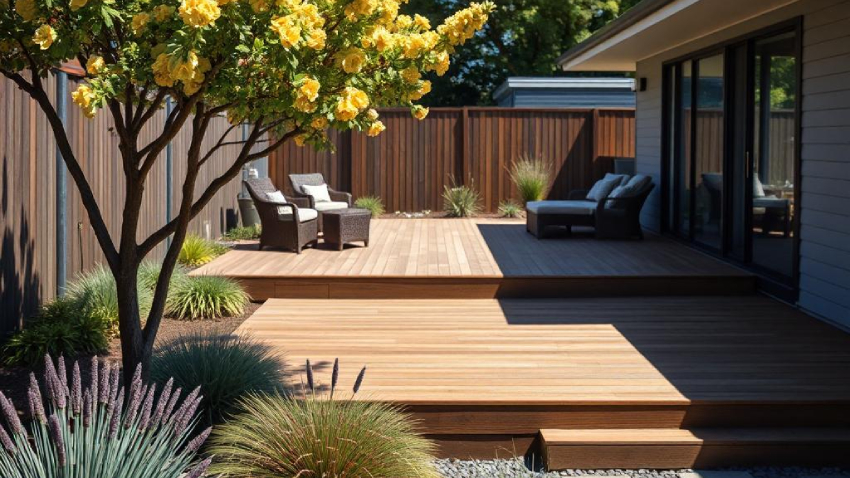
Inspections should not stop at the front door. Exterior paint, decks, fences, gutters and paths are constantly exposed to New Zealand weather, so look for peeling paint, blocked gutters, loose boards and damaged fencing, and keep on top of these jobs to protect the property over the long term.
Keeping an eye on everyday wear helps you deal with small maintenance jobs before they turn into bigger, more expensive problems.
Frequently Asked Questions
What counts as fair wear and tear in a rental? It is the gradual deterioration that comes from normal everyday use, such as worn carpet in walkways, faded curtains or loosened hinges, as opposed to damage caused by an accident or carelessness.
How can landlords tell wear and tear from damage? Regular inspections with dated photos make it much easier to see how a property has changed over a tenancy, and to have a fair conversation with the tenant if something has been damaged.
Why should repairs be reported early? Small problems such as a dripping tap or a sticking window are quicker and cheaper to fix early, before they turn into bigger repairs.
How can I tell wear and tear from damage? Gradual wear in busy areas, such as flattened carpet or faded paint, is usually wear and tear. Burns, large stains, tears, holes or impact damage in one spot may need a closer look at the cause.
Why fix small maintenance issues straight away? Small jobs, such as a loose hinge, failed sealant or dripping tap, are cheap to fix early but can damage doors, cabinetry, flooring and surrounding materials if they are left.
Keep your rental property in good condition
At Oncore NZ, we help landlords and property managers take care of repairs and ongoing maintenance, coordinating the right trades and managing the work from start to finish. With reliable maintenance support, you can keep your rental in good condition for your tenants and protect it for the long term, so get in touch with Oncore to talk about your property.
Related Articles and Projects
Read Next
All Oncore franchises are independently owned and operated.
Processing...
Talk to a maintenance specialist today
Oncore specialises in doing everything related to taking care of your home, building or office. Get in touch today!
