


Signs of Moisture Damage in New Zealand Properties
Musty smells, peeling paint, soft timber. These early signs of moisture damage are easy to miss and expensive to ignore. Here's what to watch for.
Have you noticed damp smells, peeling paint, or mould spots inside your property? Do you suspect moisture could be slowly damaging parts of your home without you fully realising it? If yes, it's important to act early. Moisture damage is a common issue in many New Zealand properties due to changing weather conditions, high rainfall, humidity, and poor ventilation. While some signs may seem small at first, ongoing moisture exposure can slowly damage walls, ceilings, timber, flooring, insulation, and even the property's structural integrity. The good news is that early signs of moisture damage are often easier and cheaper to fix before the problem becomes more serious.
Let's explore common signs of moisture damage in New Zealand homes and what homeowners should watch for to help protect their property in the long term.
8 Common Signs of Moisture Damage in New Zealand Properties
Moisture damage is one of the most common property problems in New Zealand homes. Here are some common signs homeowners should watch for.
1. Damp or Musty Smells Inside the Home
One of the earliest signs of moisture problems is a damp or musty smell inside the property. This smell is often caused by trapped moisture, poor ventilation, hidden mould growth, or damp materials behind walls or flooring. Even if there are no visible signs yet, ongoing damp smells may indicate moisture buildup somewhere inside the home. Musty smells are especially common in bathrooms, bedrooms, basements, laundries, and poorly ventilated rooms. Ignoring these smells can allow hidden moisture problems to worsen over time.
2. Condensation on Windows
Condensation is very common in New Zealand homes, especially during colder months. When warm indoor air touches cold glass surfaces, water droplets form on windows. Small amounts of condensation may seem normal, but heavy or constant condensation can indicate excess indoor moisture, poor ventilation, inadequate insulation, or heating problems. Over time, constant condensation can contribute to mould growth and moisture damage around window frames and walls.
3. Mould or Mildew Growth
Mould is one of the clearest signs of ongoing moisture problems. It often appears as black spots, green patches, or fuzzy growth on walls or ceilings. Mould commonly develops in bathrooms, kitchens, corners of rooms, window areas, and behind furniture. Besides damaging surfaces, mould can also affect indoor air quality and may create health concerns for some people. Cleaning mould without fixing the moisture source usually means the problem will return again later.
4. Peeling Paint or Wallpaper
Moisture trapped inside walls can slowly damage paint and wallpaper. Common warning signs include bubbling paint, peeling wallpaper, cracking paint surfaces, and discoloured wall finishes. This often happens because moisture weakens the bond between the wall surface and the paint or wallpaper material. These signs are usually more noticeable around windows, bathrooms, ceilings, and external walls.
5. Stains or Discolouration on Walls and Ceilings
Water stains are often a sign of leaks or ongoing moisture exposure. They may appear as brown stains, yellow patches, or dark marks on ceilings or walls. These stains can result from roof leaks, plumbing leaks, poor drainage, or condensation problems. Even small stains should not be ignored because they may indicate hidden water damage behind surfaces.
6. Soft or Swollen Timber
Moisture can slowly weaken timber over time. Homeowners should check for soft timber, swollen skirting boards, warped doors or window frames, and cracking wood surfaces. Timber absorbs moisture easily, especially in damp conditions. If moisture exposure continues for too long, timber rot can eventually develop and weaken structural parts of the property.
7. Flooring Problems
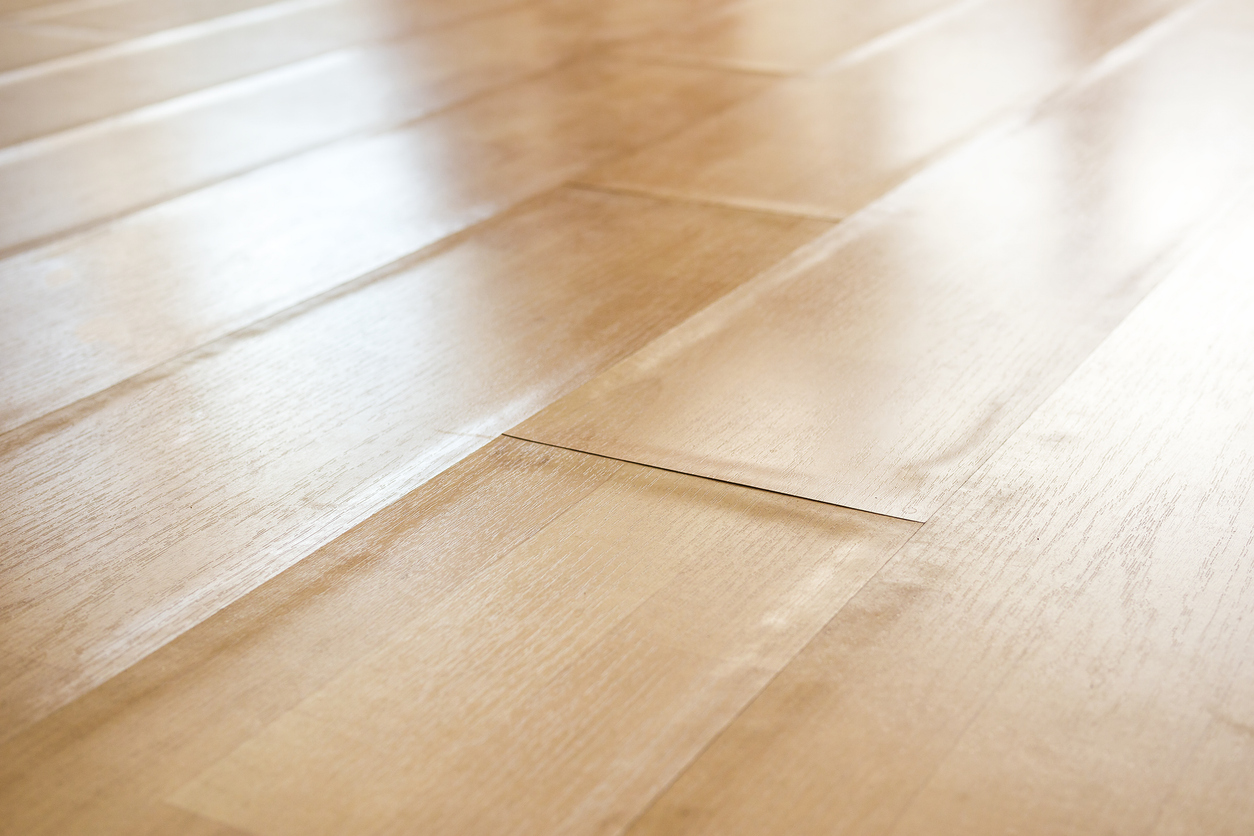
Moisture can also affect flooring materials throughout the home. Signs of moisture damage may include warped timber flooring, lifting laminate flooring, soft floor areas, damp carpets, and tiles loosening from the floor. Flooring problems are often caused by hidden leaks, subfloor moisture, or poor ventilation underneath the property. Early repairs help prevent larger structural flooring issues later.
8. Cold or Damp Walls
Walls that feel unusually cold, damp, or wet may indicate moisture problems inside the structure. This can happen because of condensation buildup, poor insulation, water penetration, or hidden leaks. Cold damp walls can also increase the risk of mould growth throughout the property. This is especially common in older New Zealand homes with poor ventilation or insulation. So, moisture problems are usually much easier to manage when the warning signs are identified early instead of waiting until serious damage has occurred.
Frequently Asked Questions
How urgent is it to fix moisture damage once I notice it?Acting early is important. Small signs like musty smells or minor condensation are much cheaper and easier to fix than waiting until mould, timber rot, or structural damage develop.
Can I fix moisture damage myself, or do I need a professional?Minor issues like improving ventilation or wiping down condensation can be DIY. However, mould growth, timber rot, and hidden leaks usually need a professional assessment to identify and properly fix the underlying cause.
Does moisture damage affect Healthy Homes compliance for rental properties?Yes. Persistent moisture and mould issues can affect a rental property's compliance with Healthy Homes Standards around ventilation and moisture ingress. A professional assessment can confirm what's needed.
What happens if moisture damage is left untreated?Left untreated, moisture can lead to mould growth, timber rot, damaged insulation, and eventually structural issues, all of which become significantly more expensive to repair than addressing early warning signs.
Will my insurance cover moisture damage repairs?This depends on the cause and your specific policy, sudden events like burst pipes are often covered, while gradual damage from poor ventilation may not be. Check with your insurer directly.
Protect Your Property from Moisture Damage
At Oncore Services, we help homeowners identify and address moisture issues before they escalate into major repairs. Our team recently completed a large-scale flood and water damage restoration in Pukekohe, Auckland Central, where damp framework had to be carefully dried out before any reinstatement work could begin, a clear example of why acting early on moisture matters.
If you've noticed any of the signs above in your own property, get in touch with Oncore NZ for a professional assessment.
Read Next
.jpg)

%20(1).jpg)
All Oncore franchises are independently owned and operated.
Processing...

Talk to a maintenance specialist today
Oncore specialises in doing everything related to taking care of your home, building or office. Get in touch today!
