


Keeping Outdoor Surfaces Safe and Slip-Resistant
Rain, moss and dirt can make decks, paths and steps slippery. This guide covers practical ways to keep outdoor surfaces safe, from cleaning and drainage to repairs and slip-resistant treatments.
.jpg)
Do your deck, paths or outdoor steps become slippery when they are wet? If you are looking for simple ways to make these areas safer for your family and visitors, a little regular maintenance goes a long way. Rain, moisture, moss and dirt can make outdoor surfaces slippery over time, and regular cleaning, maintenance and the right slip-resistant treatments can help improve safety and reduce the risk of slips and falls. This guide explores practical ways to keep outdoor surfaces safe and slip-resistant around your New Zealand home.
How to Keep Outdoor Surfaces Safe and Slip-Resistant
Decks, paths, patios, driveways and steps are regularly exposed to rain and moisture. Regular checks and the right maintenance can help you spot problems early and keep these areas safer.
Check Outdoor Surfaces Regularly
Start by checking the areas people walk on most often. Look for moss, algae, leaves, standing water, loose pavers, cracked concrete, damaged timber and uneven surfaces. Pay particular attention to steps, slopes, entrances and shaded areas. Wet and poorly maintained surfaces are recognised slip and trip hazards, so small problems are worth dealing with before they become worse.
Remove Moss, Mould and Algae
New Zealand's wet conditions can encourage moss, mould and algae to grow on decks, concrete, pavers and other outdoor surfaces. These growths can create a slippery layer, particularly after rain. Regular sweeping can remove leaves, dirt and other material that holds moisture, and where growth has already developed, you should use a cleaning method and product suitable for the particular surface.
Keep Timber Decks Clean
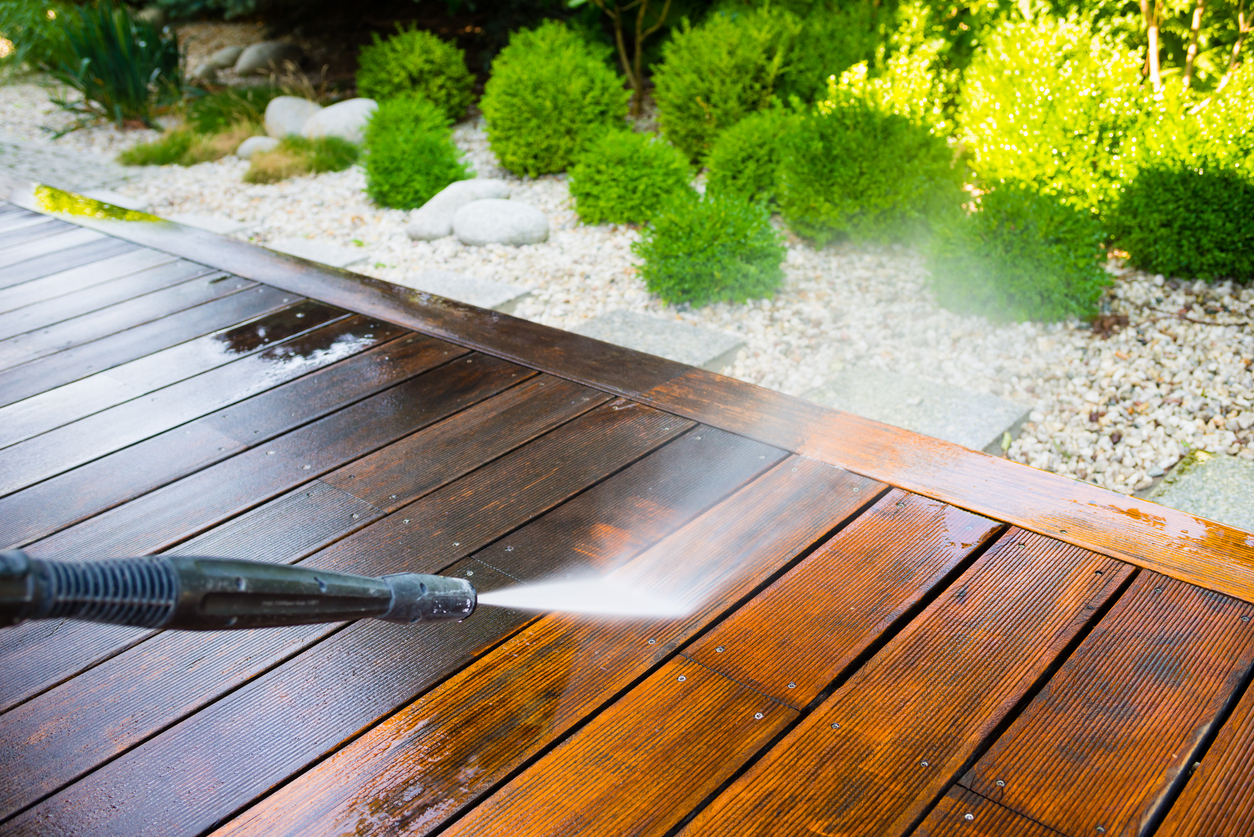
A timber deck can become slippery when dirt and organic growth build up. Sweep it regularly and keep the gaps between boards clear so water can drain away. Periodic cleaning can also remove algae, moss and grime. Take care with aggressive pressure washing or unsuitable chemicals, as the cleaning method needs to suit the material and finish.
Consider Non-Slip Deck and Path Treatments
Cleaning may not always provide enough grip, particularly on surfaces that regularly become wet. Depending on the material, non-slip deck and path treatments can include textured coatings, non-slip finishes or grip additives. These can be used on suitable timber, concrete, paths, steps and other walking areas to improve traction, but the treatment should always be compatible with the existing surface and its condition.
Improve Drainage Around Paths and Patios
Water that regularly sits on a path, patio or entrance can make the surface more slippery and encourage organic growth. Check why water is collecting rather than simply cleaning the area again and again. Improving drainage, repairing low spots or correcting the surrounding levels may provide a longer-term solution. Building Performance guidance recommends minimising cross-falls while still providing enough fall to prevent ponding on pavements.
Repair Cracks and Uneven Surfaces
Slip resistance is only one part of outdoor surface safety for New Zealand homeowners. Cracked concrete, loose pavers, damaged decking and uneven paths can also create trip hazards, so repair damaged areas and replace materials that can no longer provide a stable walking surface. NZ guidance recommends keeping walking surfaces well maintained, firm and slip-resistant.
Pay Extra Attention to Steps and Slopes
Steps and sloping paths need particular care because a slip in these areas can be more serious. Keep them clear of moss, leaves and other debris, and check that edges are easy to see. Suitable non-slip finishes or nosings may improve grip where needed. Building Performance guidance specifically recognises that stairs and sloping surfaces require greater consideration for slip resistance.
Improve Outdoor Lighting
Even a well-maintained path can be difficult to use safely if you cannot clearly see changes in level, steps or obstacles. Make sure entrances, paths, stairs and frequently used outdoor areas have enough lighting for safe movement after dark. Poor lighting is recognised as one of the factors that can contribute to slips, trips and falls.
Keep Plants and Debris Away From Paths
Plants growing across pathways can create obstacles, while fallen leaves and other garden debris can hold moisture against the surface. Trim plants away from walking areas and sweep paths regularly. Building Performance guidance recommends choosing and maintaining vegetation so it does not grow across pavements or drop debris onto them.
Make Outdoor Surface Safety Part of Regular Maintenance
Do not wait until someone slips before checking your outdoor areas. Include decks, steps, paths, patios and driveways in your regular home maintenance. Cleaning organic growth, checking drainage, repairing damage and renewing suitable slip-resistant treatments when required can help keep these surfaces safer throughout the year. Regular maintenance can help keep your outdoor surfaces safer and prevent small problems from becoming bigger hazards.
Frequently Asked Questions
Why do outdoor decks and paths get slippery?
Rain, moisture, moss, mould, algae, leaves and dirt can all make outdoor surfaces slippery over time. New Zealand's wet conditions can encourage moss, mould and algae to grow on decks, concrete, pavers and other surfaces, particularly in shaded areas.
What can I do if cleaning does not give enough grip?
Cleaning may not always provide enough grip on surfaces that regularly become wet. Depending on the material, non-slip deck and path treatments can include textured coatings, non-slip finishes or grip additives. The treatment should always be compatible with the existing surface and its condition.
Can drainage affect how slippery a surface is?
Yes. Water that regularly sits on a path, patio or entrance can make the surface more slippery and encourage organic growth. It is worth checking why water is collecting, as improving drainage, repairing low spots or correcting the surrounding levels may provide a longer-term solution.
Which areas need the most attention?
Steps, slopes, entrances and shaded areas need particular care, because a slip on stairs or sloping paths can be more serious. Keep them clear of moss, leaves and debris and check that edges are easy to see.
Keep Your Outdoor Surfaces Safe
At Oncore NZ, we help homeowners maintain and repair areas around their properties. From deck and path repairs to general home maintenance, our team can help keep your outdoor spaces safe and in good condition. With the right maintenance, you can enjoy your outdoor areas with greater confidence throughout the year. To arrange a visit, send us your project enquiry.
Related Articles and Projects
Read Next

All Oncore franchises are independently owned and operated.
Processing...

Talk to a maintenance specialist today
Oncore specialises in doing everything related to taking care of your home, building or office. Get in touch today!
