


Maintaining Exterior Cladding in New Zealand Homes
Your exterior cladding does more than affect how your home looks - it's your property's first line of defence against New Zealand's weather. Without regular maintenance, small issues like cracks, moisture, and fading paint can quickly become expensive structural problems. This guide covers 9 practical cladding maintenance steps every NZ homeowner should follow to keep their property protected, looking its best, and holding its value year-round.

If you own a home in New Zealand, your exterior cladding does more than affect how your property looks - it protects your home from weather, moisture, and long-term structural damage.
With New Zealand's changing weather conditions - from heavy rain and coastal salt air to strong UV and wind - cladding can wear down over time if it's not properly maintained. Small issues like cracks, dirt build-up, or moisture ingress can quickly turn into bigger, more expensive problems if left unattended.
Regular maintenance keeps your home protected, improves its appearance, prevents costly repairs, and preserves the value of your property. Here are 9 practical steps to maintain exterior cladding in New Zealand homes.
9 practical cladding maintenance steps for NZ homeowners
1. Clean your cladding regularly
Over time, dirt, dust, mould spores, and airborne debris collect on exterior surfaces. In coastal areas, salt can settle on cladding and cause corrosion or staining if not removed. Wash your exterior walls at least once or twice a year using a soft brush or low-pressure water. Avoid high-pressure washers - they can damage cladding surfaces or force water into small gaps and joints, creating exactly the moisture problems you're trying to prevent.
2. Inspect your cladding at least twice a year
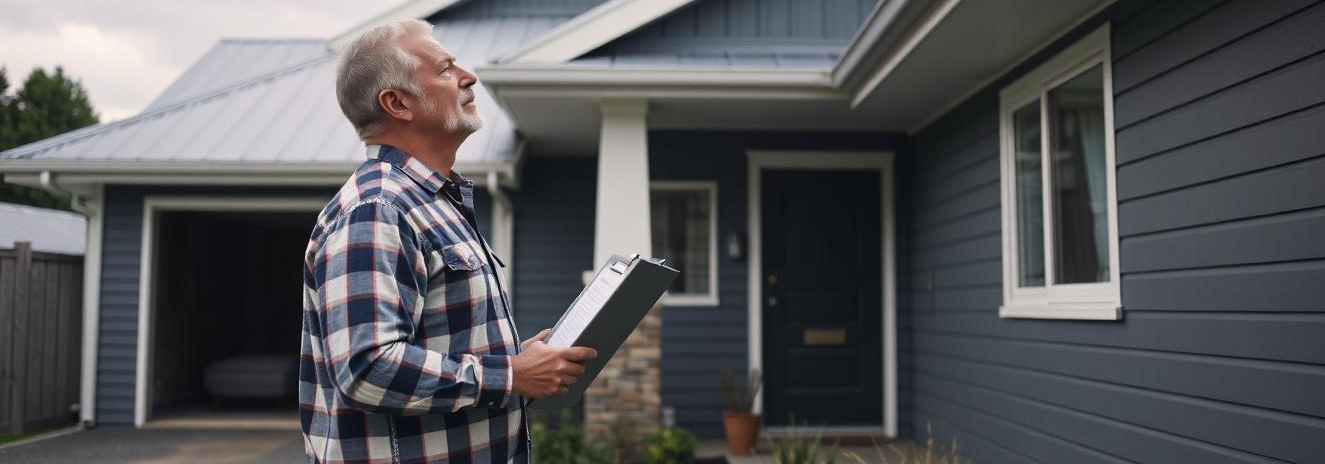
Regular visual inspections help you catch problems early, before they become serious and expensive. Walk around your home and check for cracks or gaps in cladding panels, loose or lifting boards, signs of wear or impact damage, and areas where paint or sealant is starting to fail. Doing this consistently - ideally before and after winter - lets you identify and address issues while they're still minor.
3. Watch for moisture and damp
Moisture is one of the most significant risks to exterior cladding in New Zealand, particularly given the country's rainfall patterns and many homes built with monolithic plaster systems. Look for damp patches on interior walls, mould or mildew growth on exterior surfaces, swelling or warping of cladding boards, and water staining around windows and joints. These are warning signs that water is getting in - the sooner it's addressed, the less damage it causes.
4. Maintain paint and protective coatings
Paint and sealant coatings protect cladding from weather and UV damage. Over time, paint fades, cracks, or peels - and when it does, the cladding material underneath becomes more exposed. Repainting or resealing your cladding every few years maintains protection, improves appearance, and significantly extends the life of the cladding. The exact frequency depends on the material type, colour, and how exposed the surfaces are to weather.
5. Keep gutters and drainage clear
Blocked gutters and downpipes cause water to overflow onto exterior walls, keeping cladding wet for extended periods and significantly increasing the risk of moisture damage, mould growth, and rot in timber materials. Clean gutters at least twice a year - particularly after autumn - and ensure all downpipes direct water well away from the building's exterior walls and foundations.
6. Keep plants away from exterior walls
Plants and shrubs growing close to exterior walls trap moisture against the cladding and reduce airflow, creating conditions that encourage mould and long-term deterioration. Maintain a clear gap between garden planting and your exterior walls - this allows air to circulate, lets cladding dry properly after rain, and significantly reduces the risk of moisture-related damage over time.
7. Repair damage quickly
If you notice any damage during an inspection - cracked boards, loose panels, failed sealant, or gaps around windows and joints - arrange repairs promptly. Even small openings allow water to penetrate, and once moisture gets behind cladding it can cause damage that is significantly more expensive to fix than the original minor repair.
8. Understand your cladding type
Different cladding materials have different maintenance requirements. Timber weatherboard may need regular staining, oiling, or painting; fibre cement needs periodic repainting and sealant checks; plaster (monolithic) cladding requires careful monitoring for hairline cracks; and metal cladding should be inspected for rust, corrosion, or failing fasteners. Knowing what your home has - and what it specifically needs - is essential to maintaining it effectively.
9. Plan for ongoing maintenance
Cladding maintenance is not a one-off task - it's an ongoing responsibility. A simple annual schedule makes it manageable: cleaning every 6- 12 months, inspections twice a year, touch-up painting or sealing as needed, and a full repaint on the appropriate cycle for your cladding type. Staying consistent prevents the compounding of small issues into costly repairs.
Frequently asked questions
How often should exterior cladding be maintained in New Zealand?
It should be cleaned at least once or twice a year, inspected for damage twice a year, and repainted or resealed every few years depending on material type and exposure. Coastal properties and high-rainfall areas may require more frequent attention.
What are the signs of cladding failure in a NZ home?
Common signs include damp patches on interior walls, mould or mildew on exterior surfaces, paint peeling or blistering, cracked or warped boards, gaps forming between panels, and water staining. Any of these warrant a professional inspection.
What type of cladding is most common in New Zealand homes?
Common types include weatherboard (timber), fibre cement, plaster systems (monolithic cladding), brick veneer, and metal cladding. Each has different requirements - timber needs regular painting or staining, plaster needs crack monitoring, and metal should be checked for rust.
Is leaky home cladding still a problem in New Zealand?
The leaky building crisis primarily affected homes built between the late 1980s and mid-2000s using monolithic plaster cladding. While new building standards have reduced this risk, many older homes with these systems still require careful ongoing maintenance and monitoring.
Keep your home protected with expert support
Maintaining exterior cladding is essential for protecting your home from New Zealand's changing weather. When done regularly, it prevents damage, reduces repair costs, and keeps your property looking its best year-round.
If you need professional support with inspections, cleaning, or repairs, the Oncore Services team in New Zealand can help keep your cladding in top condition across all seasons.
Need help maintaining your exterior cladding? Contact the Oncore Services team →
Related reading:
→ Weatherproofing Your Home for Year-Round Protection
→ Preventative Property Maintenance Planning for NZ Homes
→ Why Small Repairs Should Never Be Delayed
Read Next

All Oncore franchises are independently owned and operated.
Processing...

Talk to a maintenance specialist today
Oncore specialises in doing everything related to taking care of your home, building or office. Get in touch today!
